

Facebook Takes A Page From Enron's Playbook
From Chewco to Beignet: Almost exactly 24 years after Enron imploded, Meta/Facebook is using a super-complex bond deal to finance its AI buildout. Have we hit peak AI hype?
In 1997, Enron was on a roll. The company was named by Fortune magazine as the Most Innovative Company in America. The company’s stock price was surging. By the middle of the year, it was selling for about $20 per share.
But the top executives at Enron were grappling with a thorny problem. They needed to unwind a complicated joint venture called JEDI. But fully dissolving JEDI would have meant adding $600 million in debt to Enron’s balance sheet, and Jeff Skilling, Enron’s president, didn’t want to do that. The solution was the creation of Chewco, a complex off-balance sheet entity that was designed by Andy Fastow, Enron’s CFO, and owned by another Enron executive, Michael Kopper. The complex structure of Chewco — and the fact that an Enron employee owned it — was not fully disclosed to the company’s board.
Disclosed or not, the creation of Chewco allowed Enron to keep the narrative going, and Wall Street analysts were soon gushing about the fact that Enron was a “growth stock” that was “finally starting to kick up its heels.” By mid-1999, the company’s stock price had doubled to about $40 per share.
Chewco was among the first examples of financial engineering at Enron. And it would come back to haunt the company. As I explain in my 2002 book, Pipe Dreams: Greed, Ego, and the Death of Enron:
The bastard financing that Fastow created in the Chewco deal was only the beginning. A myriad of new off-the-balance-sheet deals were in the offing, deals with names like LJM and Raptor, that would become increasingly convoluted. Enron had started down a slippery ethical slope.
I bring up the history of Enron accounting because last week, I got an email from a dear friend of mine. It included a link to an October 30 article in the Financial Times that was headlined, “A closer look at the record-smashing ‘Hyperion’ corporate bond sale.”
My friend, a former executive at Enron, included this short note with the email: “It reminds me of some Enron deals.” (Enron collapsed in December 2001. At the time, it was the largest corporate bankruptcy in US history.)
The FT article, by Robin Wigglesworth, began, “Earlier this month, a company you’ve never heard of issued the largest US corporate bond in history, raising $27.3 billion in one gulp. The deal wasn’t just notable for its size and complexity, but for what it says about the AI boom, the credit cycle and the evolution of public and private debt markets.”
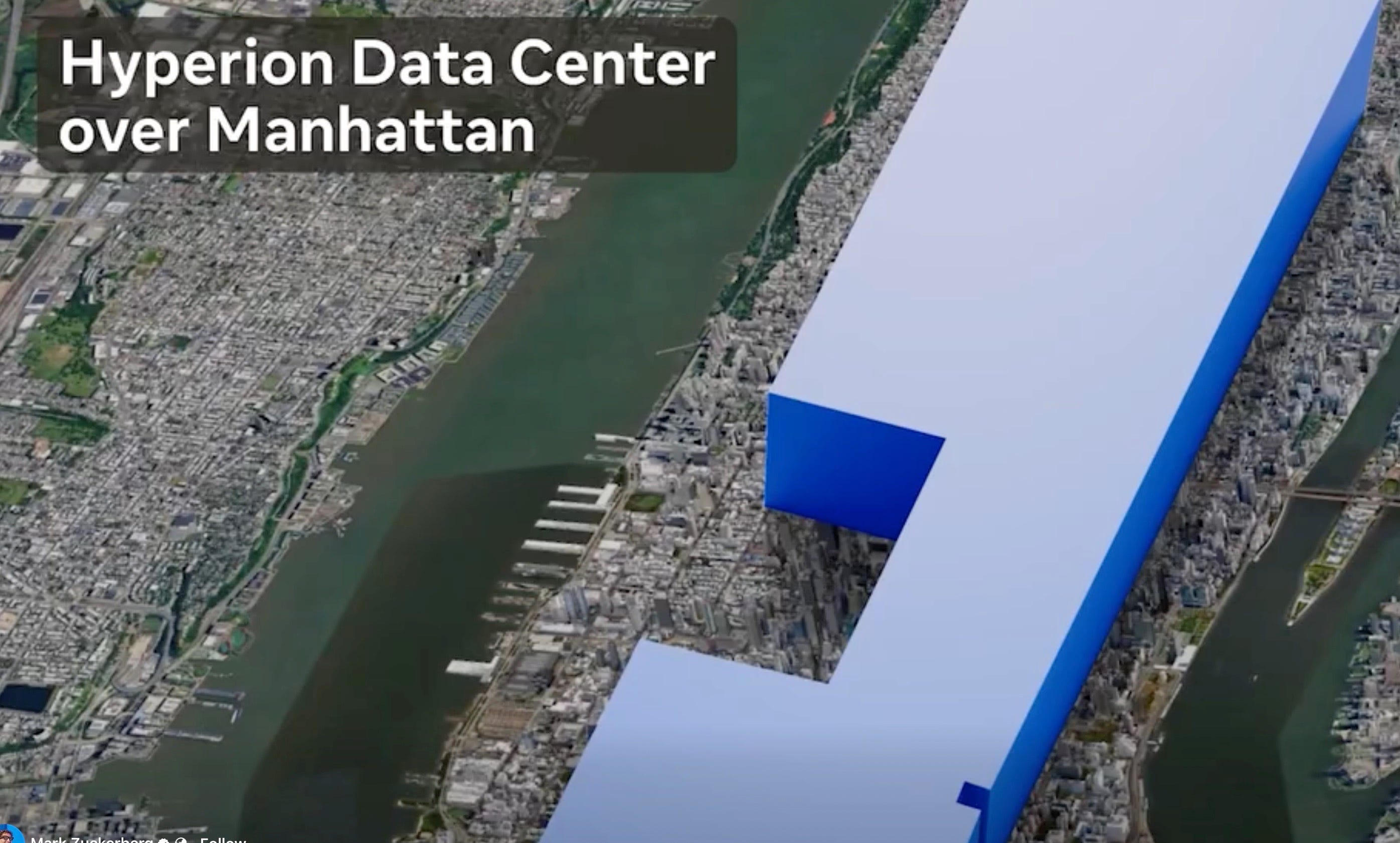
Wigglesworth’s 2,500-word article takes a deep dive into a hyper-complicated joint venture between Meta Platforms/Facebook and New York-based Blue Owl Capital that is issuing the largest US corporate bond in history to finance Meta’s Hyperion data center in Richland County, Louisiana. “It’s all wild and fascinating, if this sort of thing is your bag,” he wrote.
But why is Meta, one of the world’s most valuable companies (market cap: $1.5 trillion) doing such a complicated deal? As my friend, the former Enron executive, said, “Facebook is swimming in cash. Why are they doing this?”
That’s the $27.3 billion question.
Mark Zuckerberg, the CEO of Meta, has been hyping AI to the moon and back. His company plans to spend $600 billion on infrastructure in the US over the next three years. And yet, last month, just a few days before it reported its latest earnings, Zuck’s company pulled off a financial transaction that’s so complicated it would make Andy Fastow blush.
Let’s take a look.

Keep reading with a 7-day free trial
Subscribe to Robert Bryce to keep reading this post and get 7 days of free access to the full post archives.