Otto Goes Behind The Meter
Invented 150 years ago, the Otto cycle engine is the world’s most important prime mover. And now, due to a shortage of gas turbines, it's powering AI.
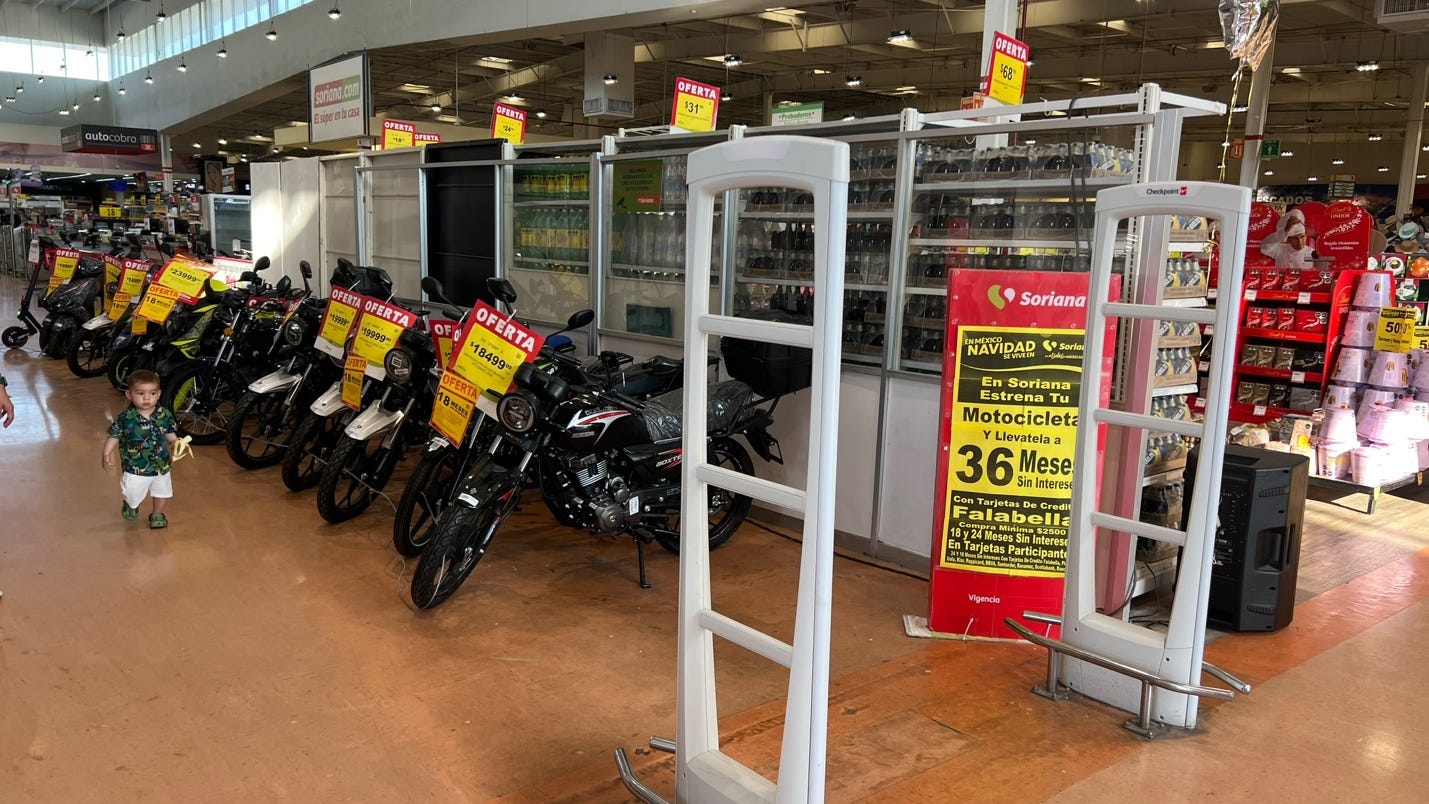
The Mega supermarket, located a few miles north of Puerto Vallarta, is a wonder of modern retailing. It sells fresh fruit, vegetables, clothes, freshly baked pastries, bread, groceries, meat, school supplies, anti-freeze, motor oil, as well as a huge variety of tequilas and Mexican beer.
The store, which is about the size of a Walmart, also sells motorcycles. And it sells them for cheap. To be clear, I’ve seen scooters and motorcycles for sale in a handful of other big retail outlets in the US. But what I saw at Mega was different. The store had about a dozen motorcycles on display near the front entrance, all of them made in Mexico by Veloci Motors, and it was selling them for a pittance. For instance, a 200cc motorbike was selling for 18,500 pesos, or about $1,000. The machine, which produces about 14 horsepower and has a top speed of about 60 miles per hour, was familiar. Indeed, in the region around Puerto Vallarta, motorbikes like the ones I saw at Mega were as common as tortillas.
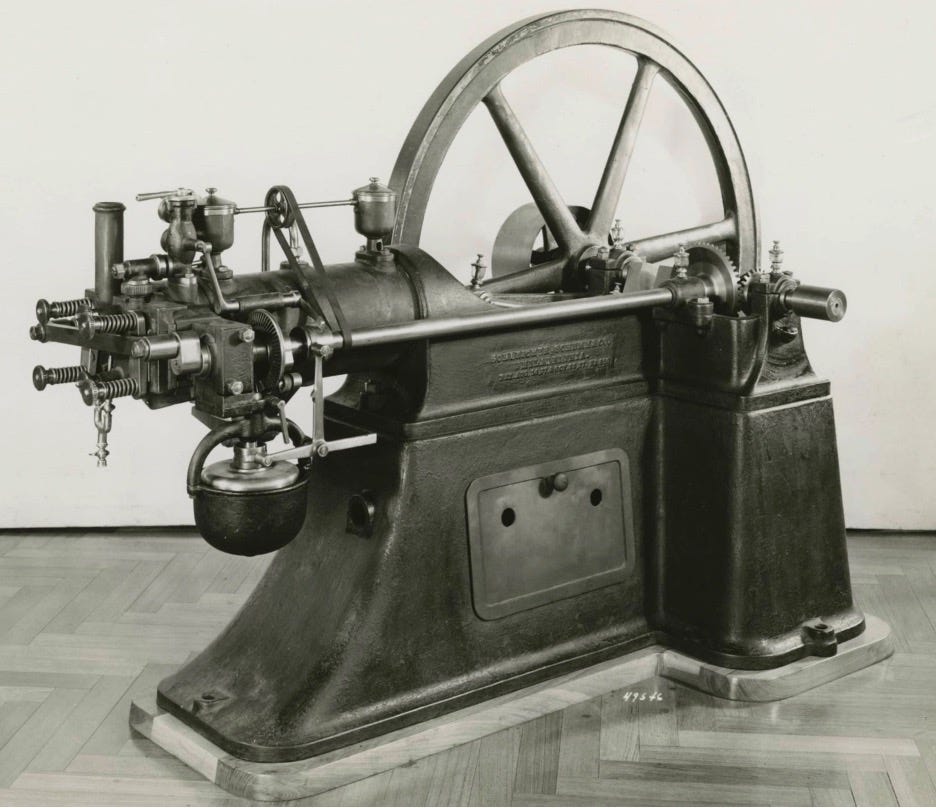
This article is not about motorcycles. Instead, it’s about the ubiquity and importance of the world’s most important prime mover: the Otto cycle engine. Invented in 1876 by Nikolaus Otto, the engine now powers everything from the Veloci motorcycles at the Mega store, to automobiles, leaf blowers, weed whackers, snowmobiles, lawnmowers, boats, tractors, airplanes, and numerous other devices. The world now has billions of Otto cycle engines. And manufacturers are adding about 200 million more of them every year — all based on the four-stroke, spark-ignition design Otto invented.
Sure, the diesel engine and jet engine are important prime movers, particularly for transportation. But the Otto cycle engine has changed the nature of work and transportation more than any prime mover ever invented. And here’s what may be the most remarkable thing: Otto cycle engines are becoming a significant player in the power-hungry rush to build data centers for AI.
With electric grids across the country already under strain, Big Tech is racing to build and deploy power generation capacity that’s independent of the grid. Indeed, the push for behind-the-meter (BTM) generation was a major theme of the PowerGen conference in San Antonio last month. But as the race for generation capacity has tightened, so has the supply of gas-fired turbines, the workhorses that generate more than 40% of the juice produced in the US. Three companies dominate the gas turbine market — GE Vernova, Siemens, and Mitsubishi — and they haven’t been able to keep up with the surge in demand. The wait time for a gas turbine, if you order one today, is about four years.
Given the long lead times, data center developers and Big Tech outfits are now spending billions of dollars on Otto cycle engines. Five companies — three of which are publicly traded — are deploying hundreds of megawatts of BTM Otto cycle generation to power AI.
Here’s a close look at those companies, their stock prices, and the amount of capacity they are deploying.